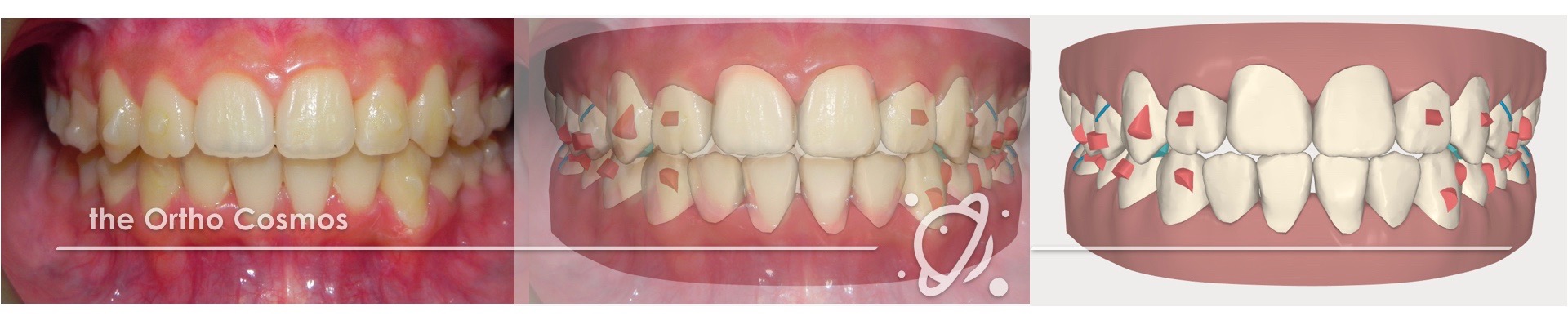
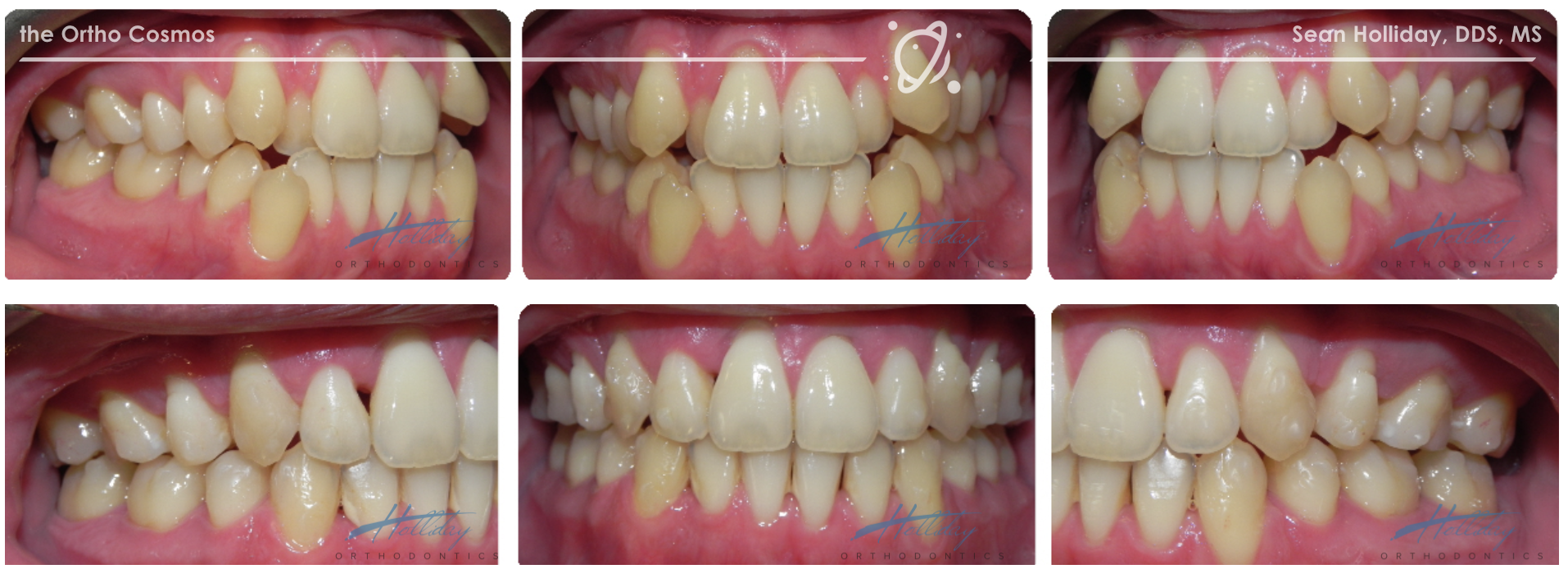
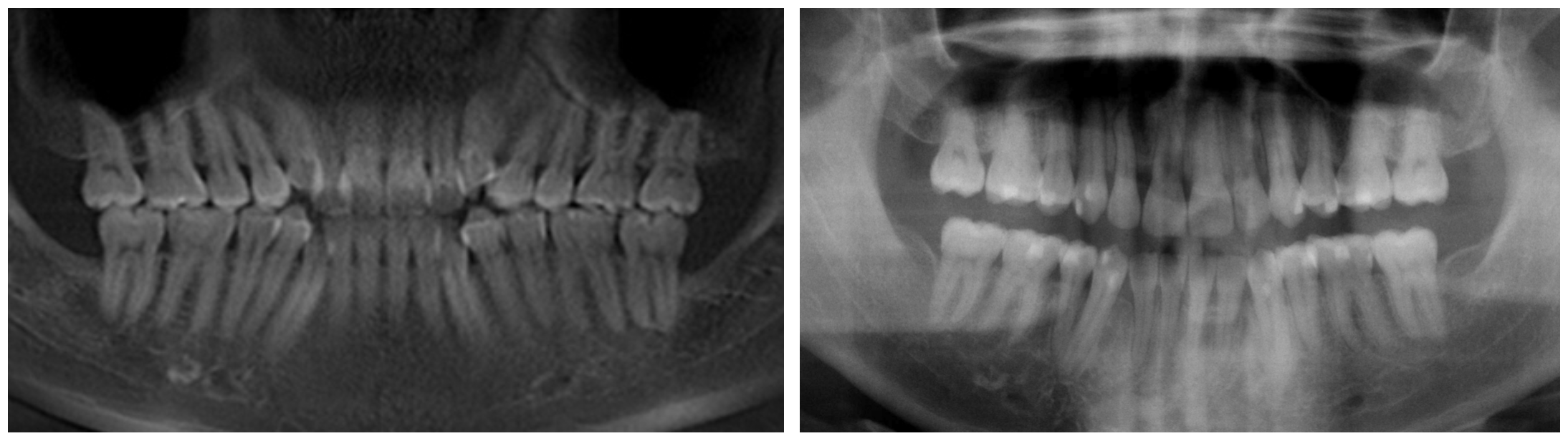
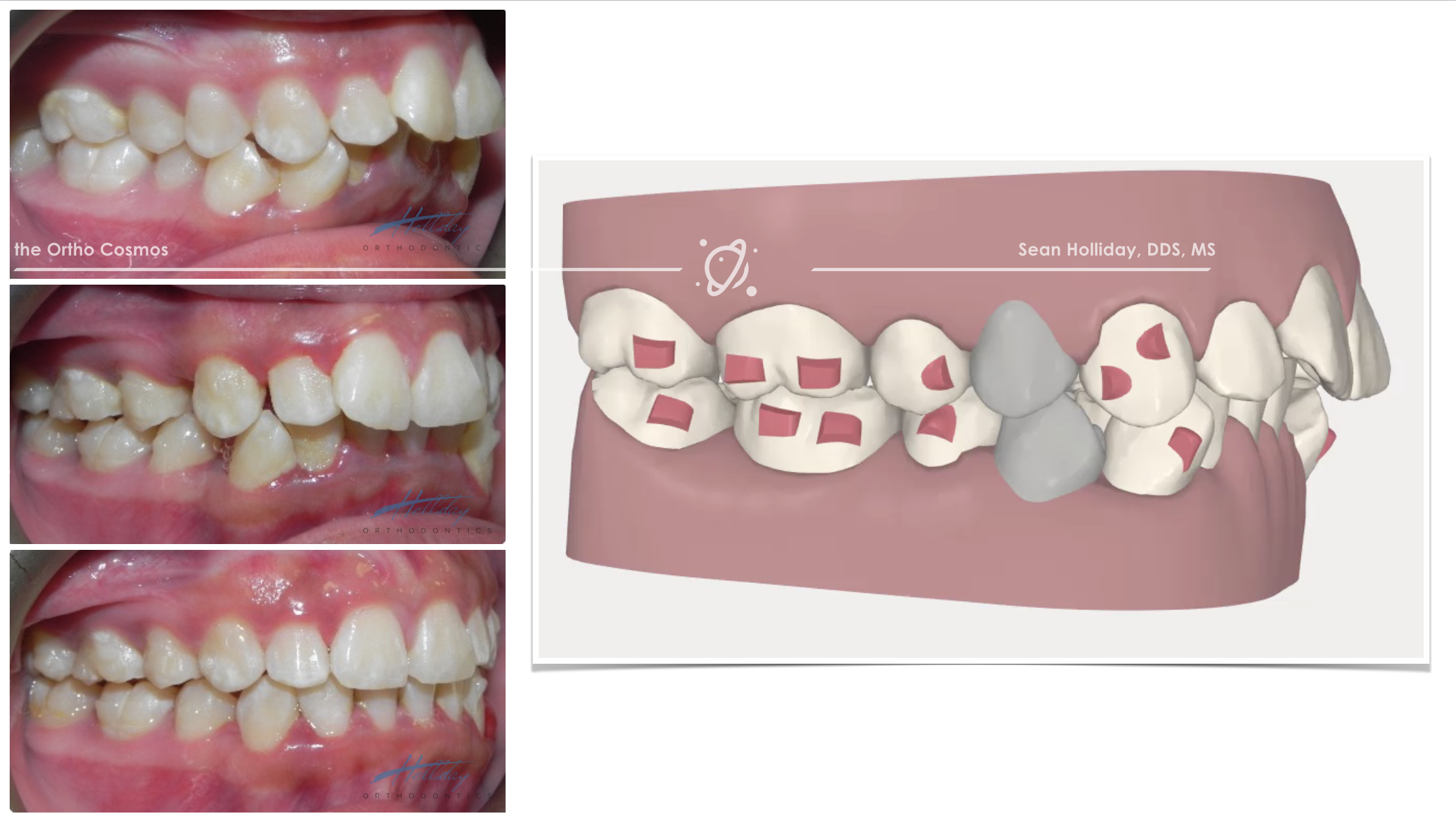
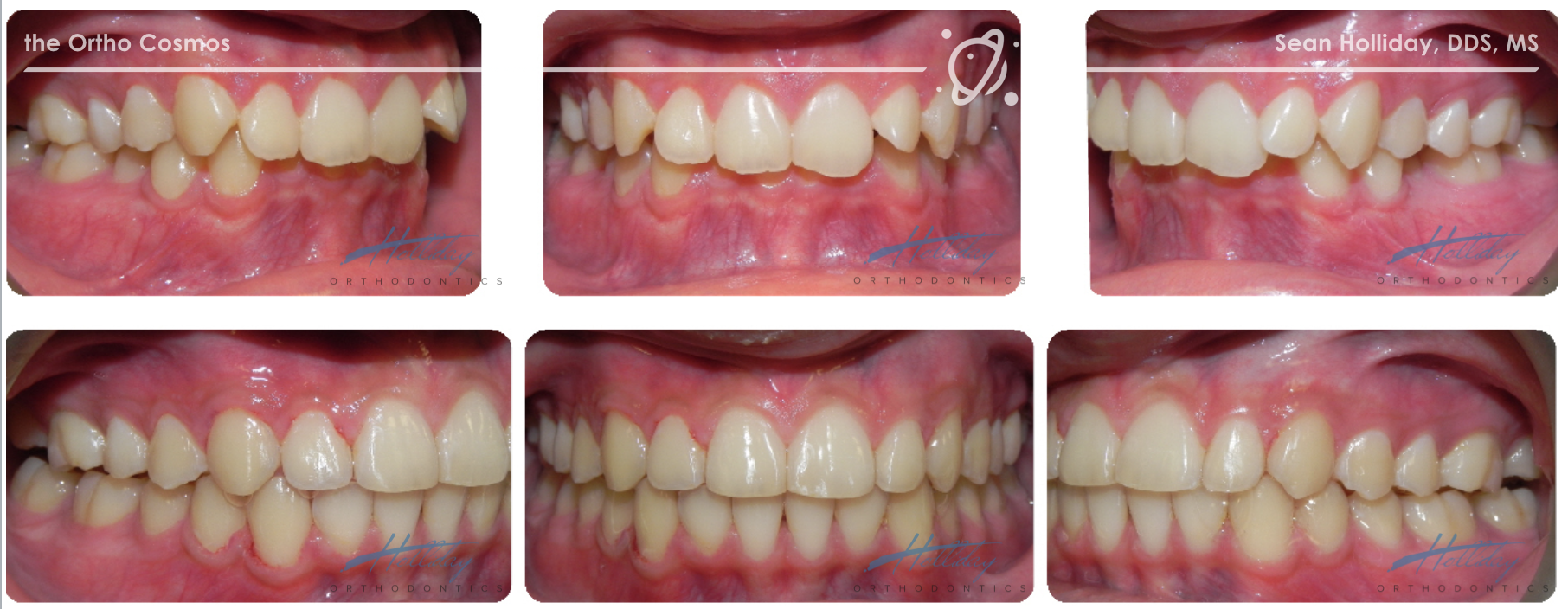
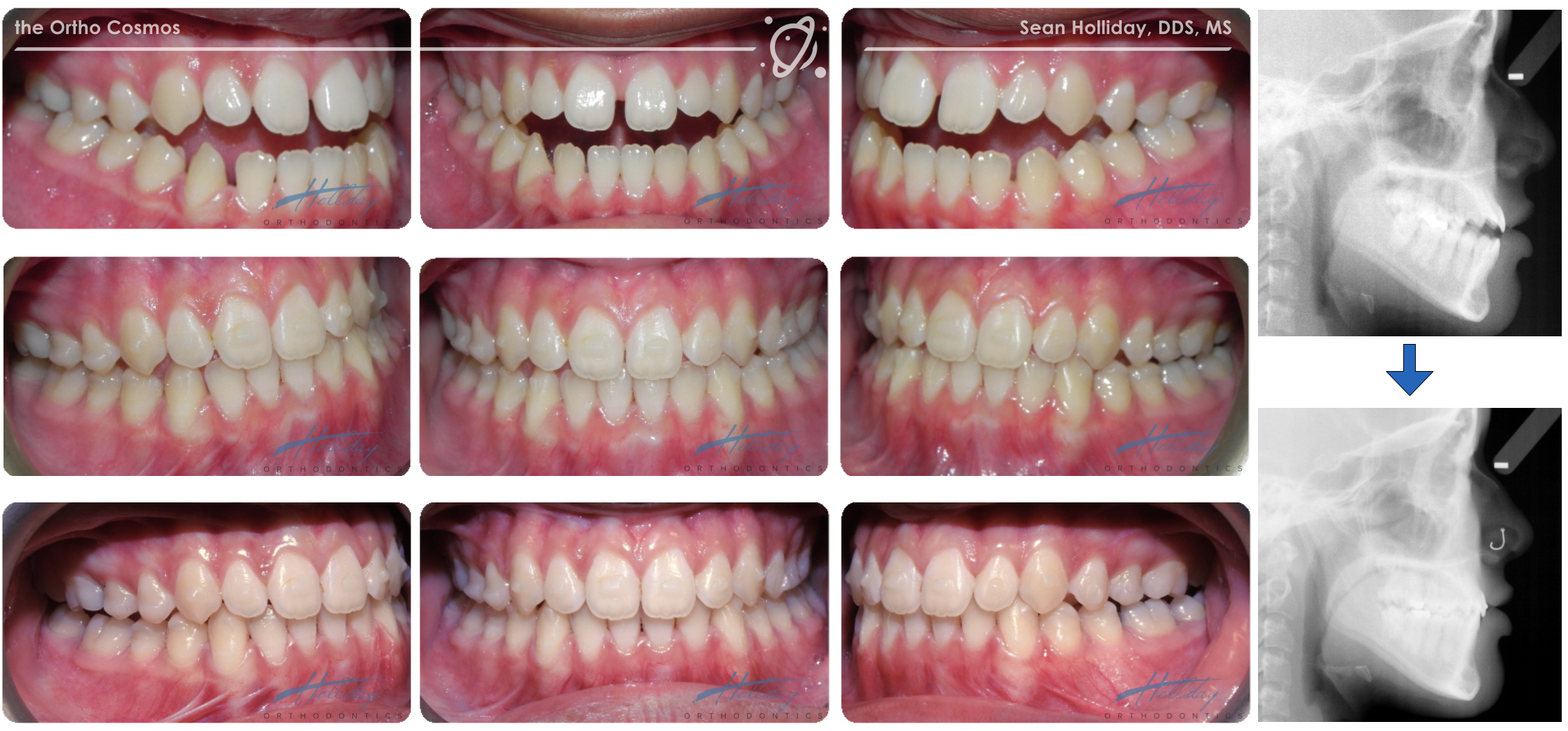
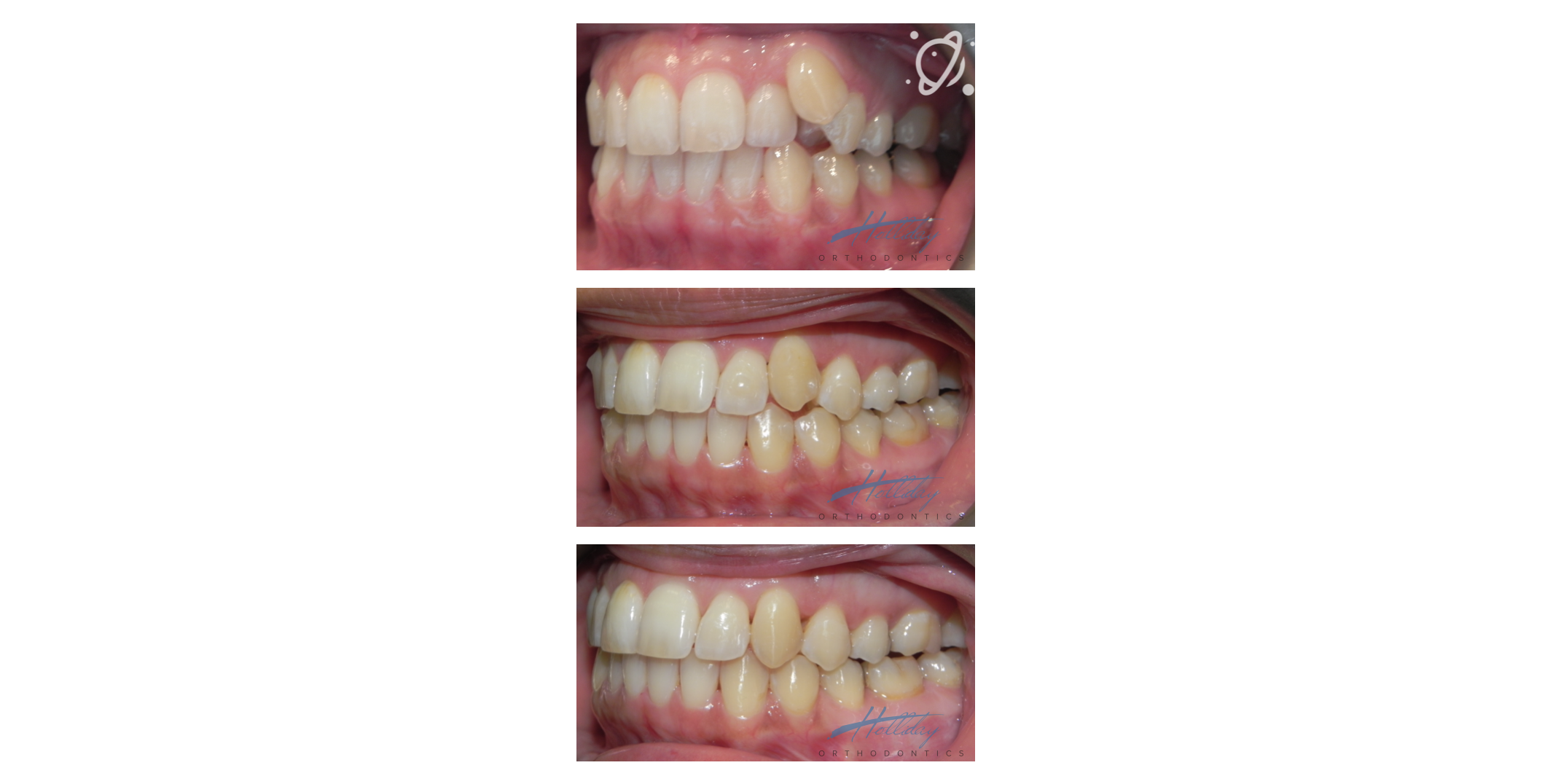
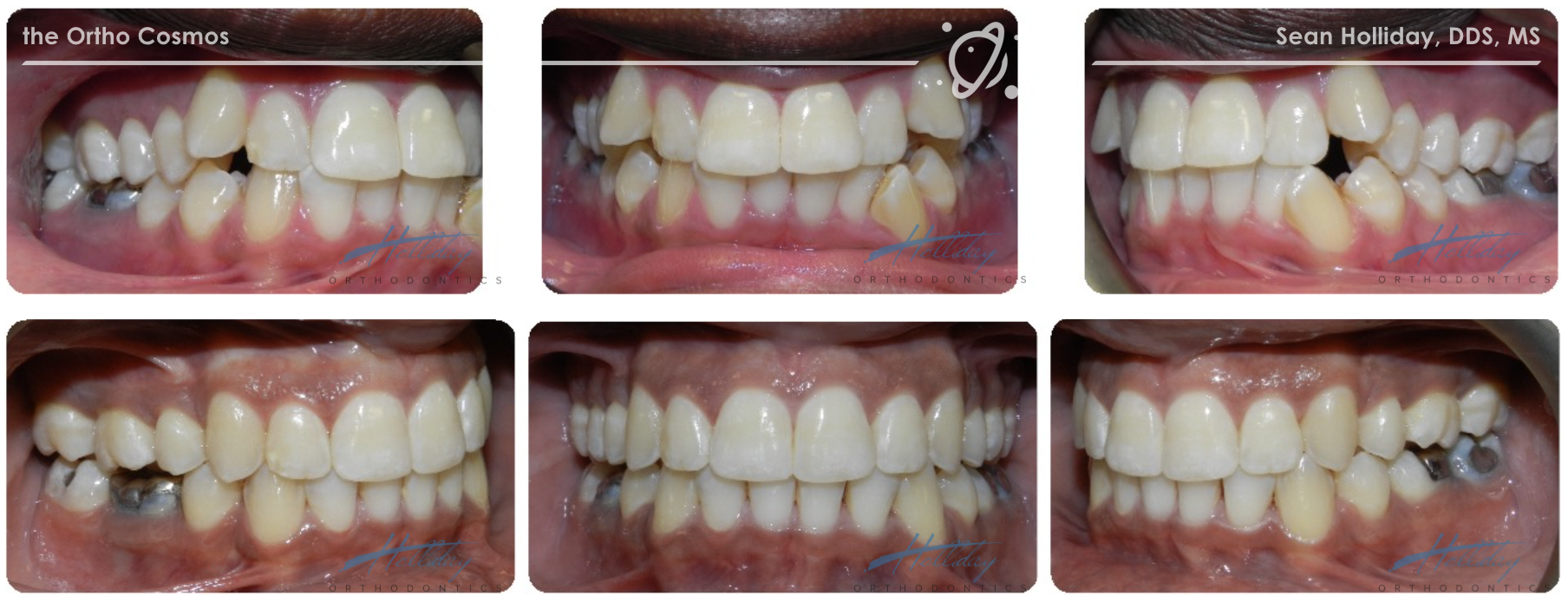
 Why do so Many Struggle with Invisalign’s Optimizations?
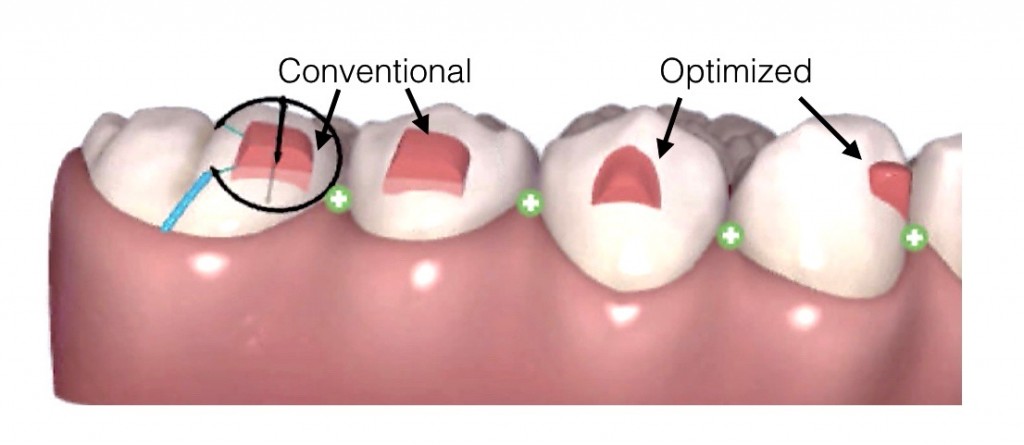
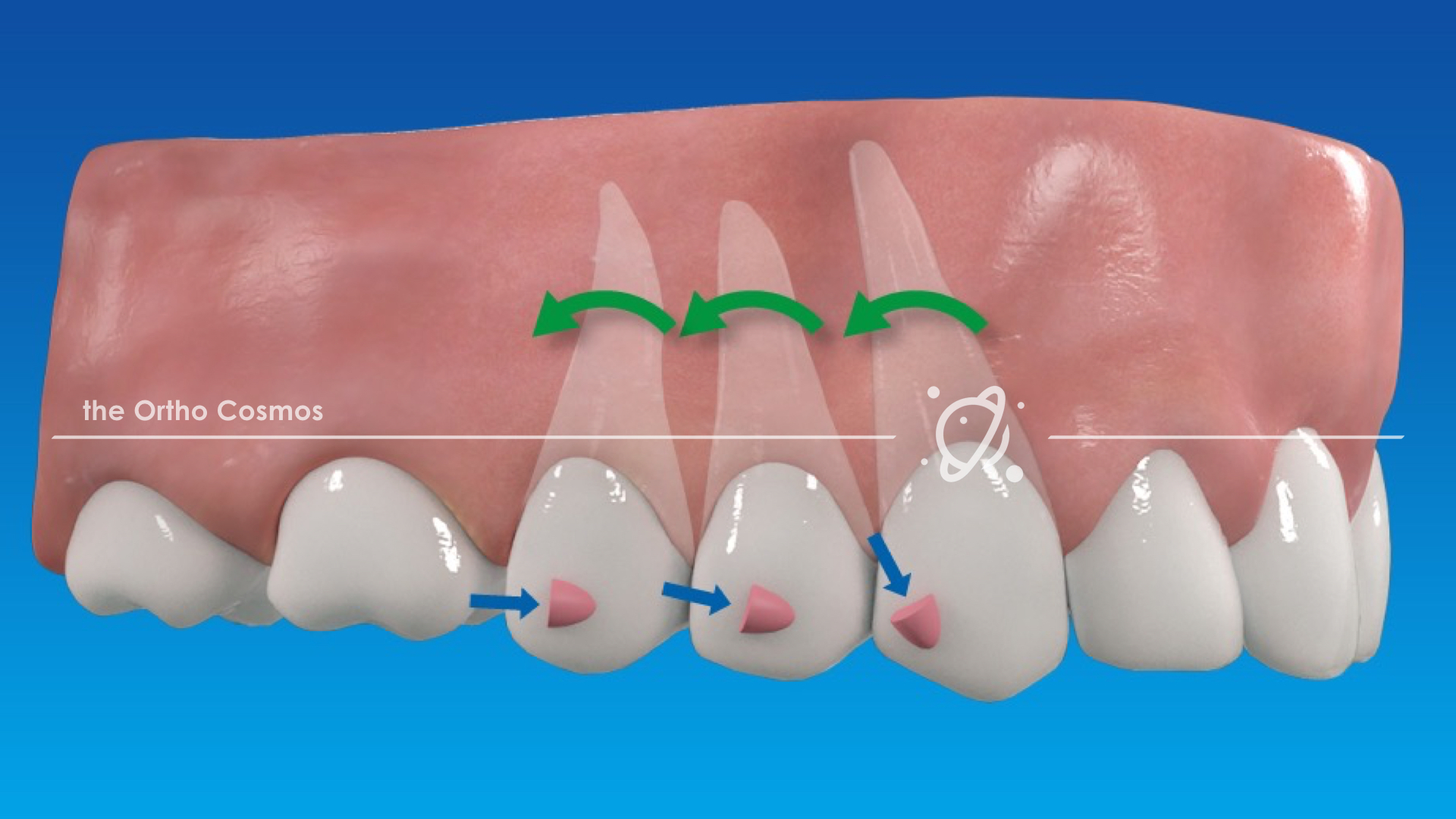
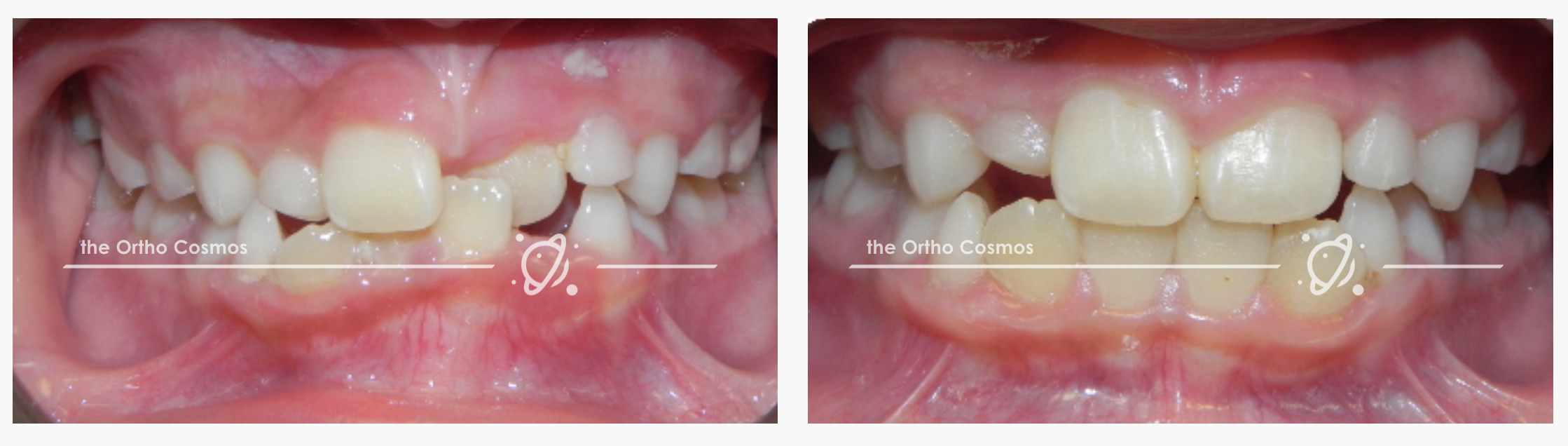
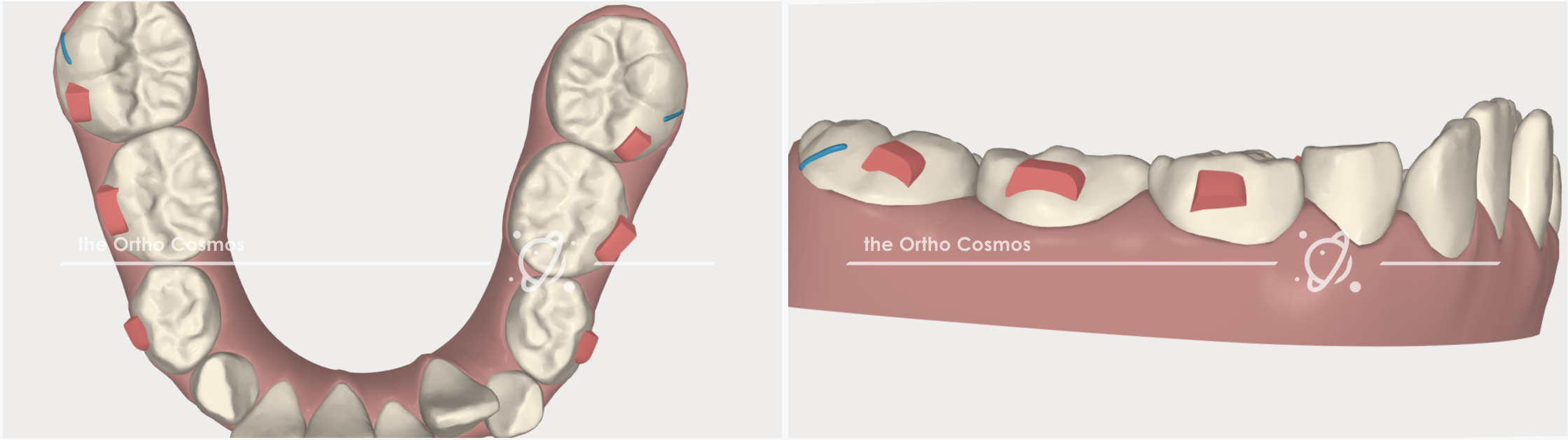
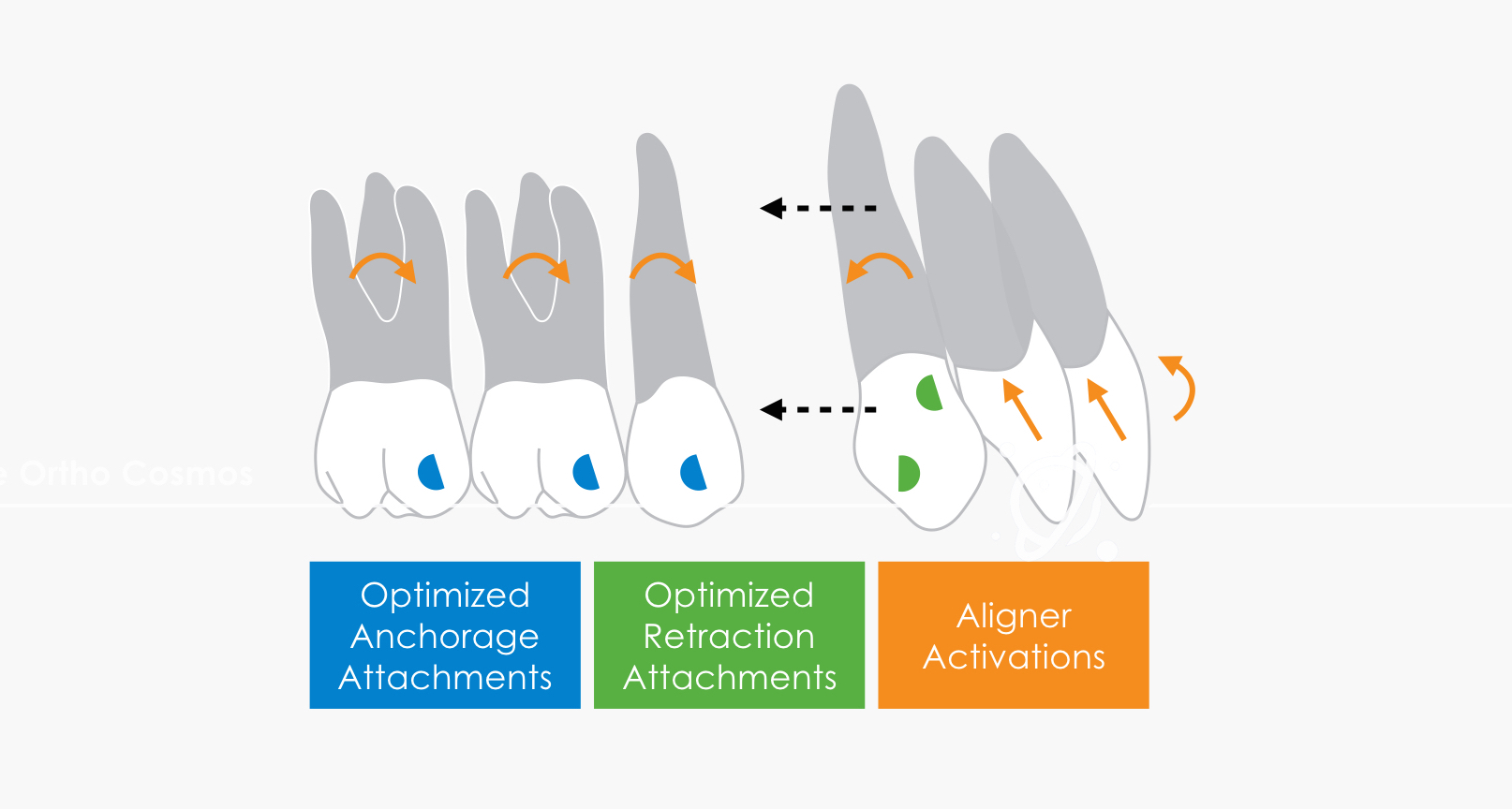
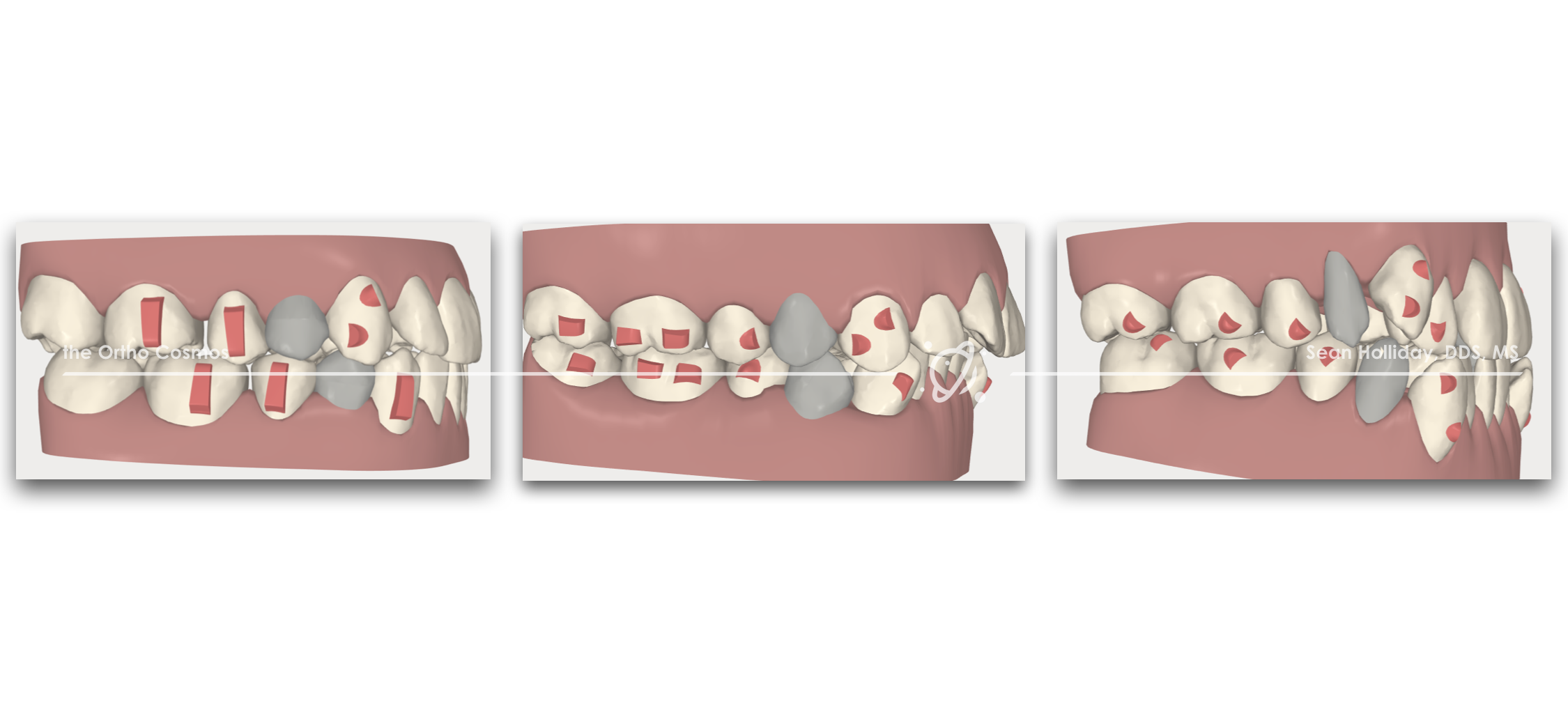
I frequently hear orthodontists lamenting the advent of Invisalign’s optimized attachments. I think this frustration stems from several factors all of which result from an inadequate understanding what these optimizations are and how they are meant to function. To think of optimized attachments as simply little bumps on teeth made for pushing is the fundamental misconception. As opposed to conventional attachments, which are simply crude handles, optimized attachments (and features) have moved away from the old approach focused only on changing the shape of the tooth and are almost entirely reliant upon aligner forming elements in order to produce customized force systems based on the prescribed movements.
This dramatic shift in thinking has been driven by the huge piles of treatment data gathered by Invisalign, free from the observational bias of the individual. Failure to acknowledge data-driven optimizations and attachment design is simply not science based and utilizes Invisalign as an inferior product so it is important that you able to keep pace with the current best practices. We will spend some time helping you treat your patients more efficiently with Invisalign by briefly examining the Top 7 sources of operator error with Invisalign’s aligner optimizations.
The rest of this post is available only to orthodontists and orthodontic residents registered with the Ortho Cosmos
Log in to the Ortho Cosmos
Not registered yet?
Click here to sign up for your Free Ortho Cosmos Membership